What to Check Before Buying a Car: The Ultimate Pre-Purchase Inspection Guide
Buying a used vehicle is often a high-stakes decision. Whether you are a first-time buyer or a seasoned driver, the thrill of a new purchase can sometimes cloud your judgment. A thorough pre-purchase inspection is the only way to ensure that your investment is sound and that you won't be facing thousands of dollars in repairs just a few weeks down the road. This guide provides a professional, step-by-step framework for evaluating a car's condition, legal status, and market value.
1. The Exterior and Bodywork
The exterior of a car tells a story of its past. Start by inspecting the vehicle in broad daylight; rain or artificial light can hide many imperfections. Look closely at the paintwork. Does the color match across all panels? If one door looks slightly different in shade or texture, it has likely been repainted due to a collision.
Check the panel gaps. The spaces between the hood, doors, and trunk should be uniform. Wide or uneven gaps are a major red flag for structural damage or poor-quality repairs. Don't forget to inspect the tires. Uneven wear patterns—such as the inner edge being more worn than the outer—suggest alignment issues or worn suspension components. Check the DOT code on the sidewall to see how old the tires are; rubber older than six years should be replaced regardless of tread depth.
2. Under the Hood: Technical Integrity
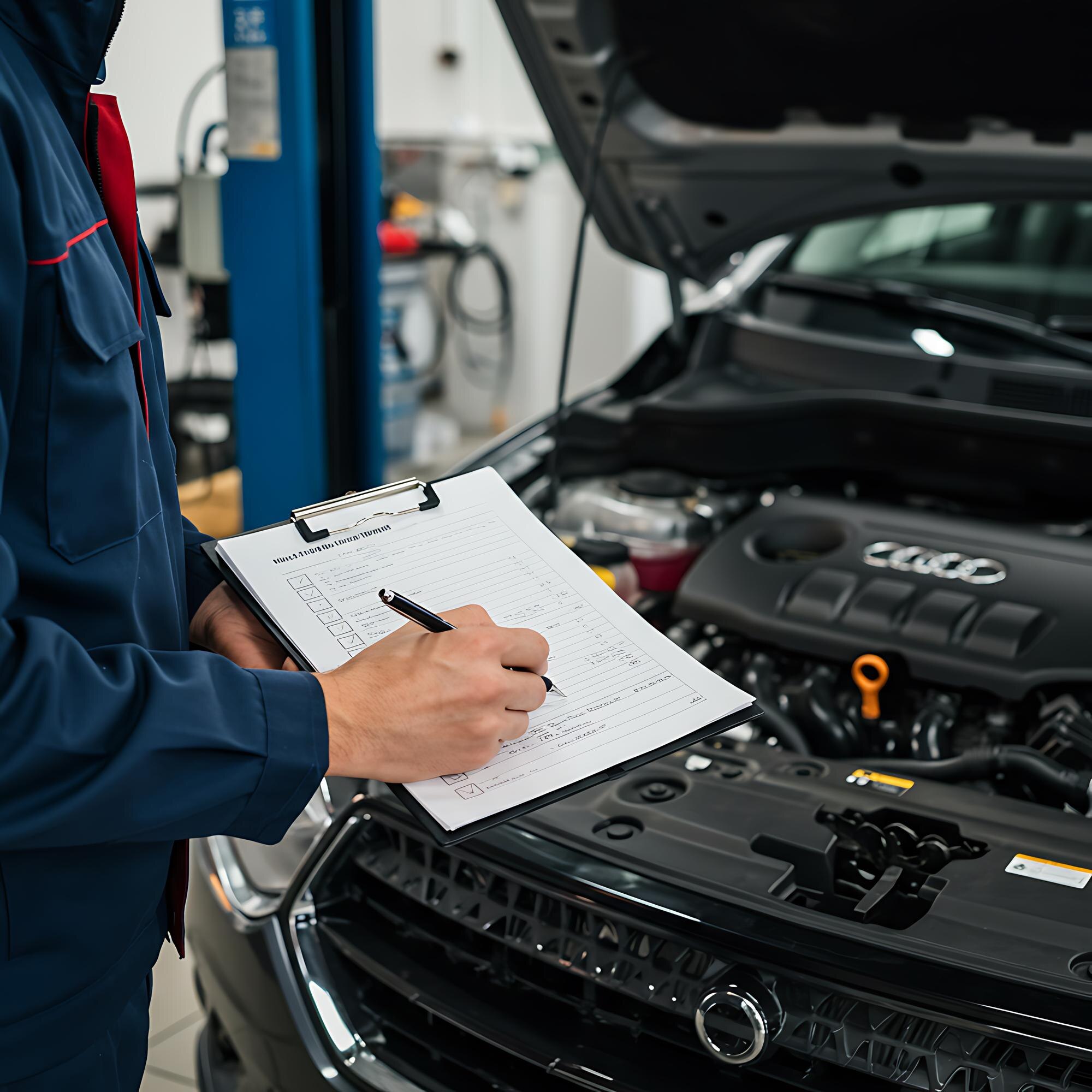
The engine is the heart of the vehicle. Open the hood and look for signs of neglect. A thick layer of dust is actually better than a sparkling clean engine, as a recent steam cleaning might be an attempt to hide active oil or coolant leaks. Check all fluid levels. The oil should be honey-colored or dark brown; if it looks like a milky chocolate shake, it indicates a blown head gasket—a catastrophic and expensive failure.
Inspect the belts and hoses for cracks, fraying, or bulging. Look at the battery terminals for corrosion. Ask the owner to start the car while you stand near the exhaust. Blue smoke indicates burning oil, while white smoke (after the engine has warmed up) suggests coolant is entering the combustion chamber. Listen for any tapping, knocking, or whistling sounds that don't belong in a smooth-running engine.

3. Interior, Electronics, and Comfort
Step inside and take a deep breath. A musty smell could indicate water leaks or flood damage. Check the condition of the seats, steering wheel, and pedals. If the odometer shows low mileage but the driver's seat is torn and the brake pedal is worn smooth, the mileage may have been tampered with. This is a common tactic used by dishonest sellers to inflate the car's value.
Test every single button and switch. Does the air conditioning blow ice-cold? Do all the windows roll down smoothly? Check the infotainment system, the heated seats, and the sunroof. Warning lights on the dashboard are non-negotiable points of discussion. An illuminated 'Check Engine' or 'Airbag' light requires a professional diagnostic scan before you even consider making an offer.
4. The Test Drive: Real-World Performance
A car can look perfect parked but reveal its flaws on the move. Always insist on a cold start—some engine problems are only audible when the car hasn't been running. During the drive, turn off the radio so you can hear the vehicle. The transmission should shift smoothly without jerking or slipping. If it's a manual, the clutch should bite firmly and not feel 'spongy'.
Find a safe, empty stretch of road to test the brakes. The car should stop in a straight line without pulling to one side or vibrating the steering wheel. Drive over some bumps to check the suspension; if the car continues to bounce like a boat after a dip, the shocks are likely shot. Finally, take it on the highway. High-speed vibrations often point to wheel balance issues or driveshaft problems.
5. Legal Aspects and Documentation
Never buy a car without verifying its history. Ask for the service logbook. A car with a full service history (FSH) is worth significantly more because it proves the previous owner followed the manufacturer's maintenance schedule. Compare the VIN (Vehicle Identification Number) on the dashboard, the door jamb, and the registration documents. If they don't match, walk away immediately.
Perform a history check through a reputable service to see if the car has any outstanding finance, has been reported stolen, or was previously written off by an insurance company. Ensure the seller's ID matches the name on the title or registration document. Buying from the 'registered keeper' at their home address is the safest way to avoid 'curbstoning'—unlicensed dealers posing as private sellers.
6. Negotiation: Turning Flaws into Savings
Once you have completed your inspection, you will likely have a list of minor issues. Use these as leverage during negotiation. Instead of asking for a vague discount, present your findings clearly: mention each specific problem you discovered, explain what repairs will be needed, and suggest a fair reduction based on the work required. This professional, evidence-based approach is much harder for a seller to argue against.
Always be prepared to walk away. There are millions of cars on the market, and falling in love with a specific one can lead to expensive mistakes. If the seller is unwilling to budge on a fair price or is being evasive about the car's history, it's a sign that this isn't the right deal for you. Patience is your greatest asset in the car-buying process.